
Why Fitness Matters
Fitness is about far more than aesthetics — it’s about vitality, endurance, mental clarity, and long-term health.
Regular physical activity:
- Strengthens the heart, lungs, muscles, and bones,
- Reduces the risk of chronic illnesses such as diabetes, heart disease, and certain cancers,
- Supports mental health by reducing symptoms of anxiety and depression,
- Enhances cognitive function and memory,
- Improves sleep quality and overall energy levels.
In other words, maintaining physical fitness doesn’t just add years to your life — it adds life to your years.
Common Myths About Fitness
In a world flooded with fitness trends and misinformation, it’s easy to get confused. Here are some common myths we want to break:
1. “You have to spend hours in the gym every day.”
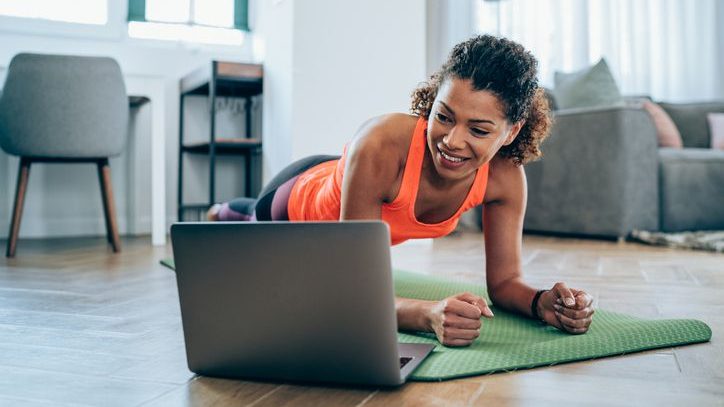
False. Even 150 minutes of moderate exercise per week (like brisk walking) can significantly improve your health. Consistency is more important than intensity.
2. “Lifting weights will make you bulky.”
Not true — especially for women. Strength training builds lean muscle, boosts metabolism, and strengthens bones without necessarily increasing body size dramatically.
3. “If you’re not losing weight, it’s not working.”
Fitness is not just about weight loss. Improvements in endurance, strength, energy, and mood are all powerful benefits, even if the scale doesn’t move.
4. “You have to be athletic to start working out.”
Everyone starts somewhere. Fitness is for all bodies, all ages, and all ability levels. The journey is personal, and progress is what matters most.
Fitness and Mental Wellness
Movement doesn’t just strengthen your body — it also uplifts your mind. Exercise releases endorphins, often called “feel-good hormones,” which naturally boost mood and help manage stress.
Regular physical activity has been shown to:
- Reduce symptoms of depression,
- Ease anxiety,
- Build emotional resilience,
- Enhance self-esteem.
In times of stress or uncertainty, staying active can offer a sense of control, hope, and empowerment.




 Vitalité