
“Big changes start with the small habits you barely notice.”
We often believe that improving our lives requires huge efforts—strict routines or life-changing decisions. But real transformation happens in a simpler way. It’s not what you do once in a while, but what you repeat every day.
The small habits you build—how you start your morning, how you handle breaks, how you wind down—create the foundation for productivity and happiness. These tiny actions, done consistently, lead to big results over time.
The best part? You don’t need more hours. You just need smarter habits. Here’s how to turn small daily actions into life-changing progress:
⸻
1. Start Small, But Stay Consistent
Ambitious goals often lead to burnout. Instead of aiming to “read 50 books,” start with one page a day.
Want to get fit? Begin with 5 push-ups or a quick stretch.
Make your habit so simple that skipping feels harder than doing it. Over time, these actions become second nature.
Tip: If it feels too easy, you’re on the right track.
⸻
2. Attach New Habits to Existing Routines
Connect a new habit to something you already do—this is habit stacking.
For example:
• After making your bed, drink water.
• After emails, take a 2-minute stretch.
Linked habits remove the need for willpower.
Tip: Choose consistent daily triggers.
⸻
3. Make Progress Visible and Rewarding
We’re motivated by visible results. Use a tracker or app like Streaks to mark daily wins.
Each checkmark reinforces progress.
Example: Use the “Don’t Break the Chain” method—keep your streak alive.
⸻
4. Embrace Imperfection and Keep Going
You’ll miss a day—that’s normal. The danger is thinking one miss equals failure.
Follow the “never miss twice” rule. Persistence builds habits, not perfection.
Tip: Expect setbacks. It makes bouncing back easier.
⸻
Remember:
Small, consistent actions shape who you become. Start tiny, stay steady, and let time work for you.
⸻
Take Action: Join the 7-Day Tiny Habits Challenge!
Reading about habits is a great start—but real change happens when you take action. If you’re ready to experience how small steps can lead to big results, this challenge is for you.
Here’s how it works:
For the next 7 days:
1. Pick ONE tiny habit that takes less than 2 minutes.
(Examples: Drink a glass of water after waking up, stretch for 1 minute, write down one positive thought.)
2. Attach it to an existing routine.
(Like after brushing your teeth, or before checking your phone.)
3. Track your progress daily — use a notebook, calendar, or habit-tracking app.
4. Celebrate each time you complete it—no win is too small!
Remember, it’s not about perfection. It’s about showing up every day and proving to yourself that consistency matters more than intensity.
At the end of 7 days, you’ll see how momentum builds naturally—and how easy it is to keep going.
⸻
Bonus Recommendations:
• App: Habitify / Streaks
• Book: “Atomic Habits” by James Clear
• Podcast: The Habit Coach
• Video: The Power of Tiny Habits – TEDx Talk
Slow Down and Breathe: How to Practice Mindfulness in Everyday Life
Have you ever driven somewhere and realized you don’t remember anything about the journey? Or eaten an entire meal while scrolling on your phone, barely tasting a bite?
You’re not alone. In our busy, overstimulated lives, it’s easy to live on autopilot — missing the beauty, the joy, and even the challenges that make life meaningful.
Mindfulness is the simple yet powerful practice of paying full attention to the present moment, without judgment. It sounds easy, but in a world that constantly demands our attention, mindfulness is a skill that needs gentle practice.
⸻
Why Mindfulness Matters
Mindfulness isn’t just a buzzword — it’s a life-changing tool.
Research shows that regular mindfulness practice can:
• Lower stress and anxiety
• Improve focus and memory
• Boost emotional resilience
• Help manage physical pain
• Increase overall happiness
When we become more mindful, we stop reacting on impulse. We start responding thoughtfully, with kindness toward ourselves and others.
⸻
Simple Ways to Practice Mindfulness
You don’t need hours of meditation or fancy apps (although they can help).
Mindfulness can fit into your day, right now, in small, meaningful ways:
• Mindful Breathing: Take 3 deep, slow breaths before starting a new task. Notice how the air feels entering and leaving your body.
• Mindful Walking: Feel your feet touching the ground. Notice the rhythm of your steps, the sounds around you, the temperature of the air.
• Mindful Eating: Eat one meal today without distractions. Focus on the flavors, textures, and even the way the food looks.
• Mindful Pauses: Set a reminder to simply stop once every hour. Take 30 seconds to notice your body, your emotions, your surroundings.
It’s not about doing everything perfectly — it’s about returning to the moment, again and again.
⸻
Mini Challenge: Your One-Minute Reset
For the next 5 days, choose one minute each day to pause everything.
No scrolling. No talking. No multitasking.
Simply sit quietly and breathe. If your mind wanders (it will), gently bring it back to your breath.
One minute. That’s it.
Write a quick note afterward: How did it feel? Hard? Easy? Did you notice anything new?
Small moments build great change.
⸻
Bonus: Mindfulness Tools You’ll Love
Want a little extra support? Try these:
• Podcast:
“Mindfulness For Beginners” – Easy, digestible talks on living more mindfully.
• App:
Insight Timer – A free app offering guided meditations for every mood.
• Book:
“Wherever You Go, There You Are” by Jon Kabat-Zinn — A beautiful classic on everyday mindfulness.
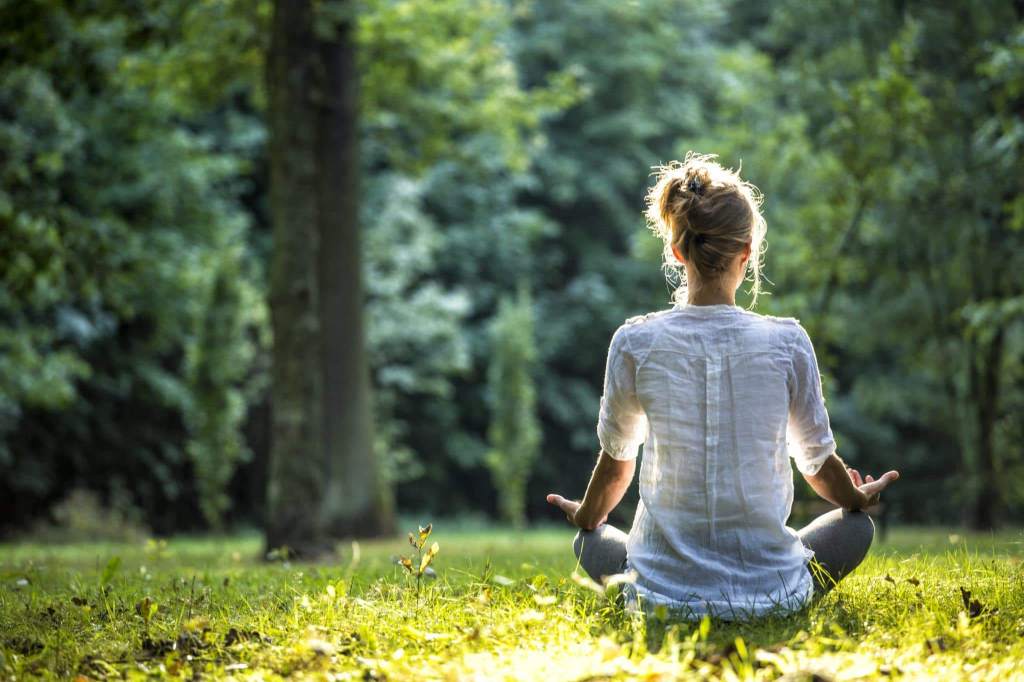
“Endless tasks, projects, exams… But in all this rush, how much space are you really leaving for yourself?”
If your day begins with checking emails and ends with unfinished tasks, you’re not alone. Whether you’re working full-time or trying to keep up with university deadlines, modern life constantly pushes us to do more, faster. But staying busy isn’t the same as being productive — and it’s definitely not the same as living well.
Without clear boundaries, it’s easy to slip into a cycle where work, school, and personal life blur together. That’s when burnout starts knocking.
Here’s how you can protect your energy and find balance before it’s too late:
1. Set Clear Boundaries
Decide when your work or study day ends — and stick to it. That “just five more minutes” often turns into hours. Respect your personal time like you respect your deadlines.
2. Take Real Breaks
Working non-stop drains focus and creativity. Short, intentional breaks—like stepping outside or enjoying a coffee without screens—can reset your mind and improve performance.
3. Learn to Say No
You don’t have to accept every task, invitation, or responsibility. Every “yes” to something unimportant is a “no” to your well-being.
4. Stop Waiting for the Perfect Time
There’s always another project or exam around the corner. Don’t postpone life. Make time for what brings you joy—even during busy weeks.
⸻
Remember:
Success isn’t about constantly being busy. It’s about achieving your goals without losing yourself along the way.
Join the 5-Day Work-Life Balance Challenge!
It’s easy to get caught up in endless tasks — but real balance starts with small, intentional actions. Ready to take control of your time and energy?
Here’s a simple challenge to help you reset:
For the next 5 days:
1. Set a clear “end time” for work or study — and stick to it.
2. Take one real break each day. Step away from screens, go for a walk, or simply breathe.
3. Say no to at least one unnecessary task or distraction.
4. Do one thing just for yourself — read, listen to music, or enjoy a hobby.
5. Reflect at the end of each day: Did I protect my time today?
It’s not about being perfect — it’s about creating space for yourself, even in busy times.
By the end of these 5 days, you’ll notice how small boundaries and mindful pauses can bring more clarity, energy, and calm to your routine.
Quick Recommendations
• Book: “Boundaries” by Dr. Henry Cloud
Learn to protect your time and energy.
• App: Focus To-Do
Stay productive without burning out.
• Video: How to Make Work-Life Balance Work – TEDx
Less Is More: How Minimalism Can Transform Your Life
When you hear the word “minimalism,” you might think of empty white rooms or people living out of a single backpack.
But minimalism isn’t about owning the least.
It’s about making space for what matters most.
In a world that constantly tells us to buy more, do more, and be more, minimalism is a quiet rebellion — a way to reclaim our time, our energy, and our peace of mind.
⸻
Why Minimalism Matters
Minimalism isn’t just about your closet or your home decor.
It touches every part of your life:
• Mental clarity: Less clutter, less stress.
• Financial freedom: Spending on what you truly value.
• Emotional peace: Letting go of what no longer serves you.
• Time management: Fewer distractions mean more time for what you love.
Minimalism helps you live intentionally, choosing experiences, relationships, and belongings that genuinely bring joy and meaning.
⸻
Easy Ways to Start Living More Minimally
You don’t need to throw away everything overnight.
Small steps make big shifts over time:
• The One-In, One-Out Rule: Whenever you bring something new into your home, let go of one old item.
• Declutter in Categories: Start with clothes, then books, then papers — not your entire house all at once.
• Set Boundaries: Create “no clutter” zones — like your kitchen table or nightstand — and keep them sacred.
• Buy With Purpose: Before purchasing anything, ask yourself, “Do I really need this? Will it add value to my life?”
Minimalism is a personal journey. Your version might look totally different from someone else’s — and that’s perfectly okay.
⸻
Mini Challenge: The 10-Item Declutter
Today, walk around your home with a box or bag.
Find 10 things you don’t love, use, or need — and remove them.
You can donate, recycle, or throw them away (responsibly).
Take a photo of your box afterward as a reminder: You are making space for more clarity and calm.
Notice how you feel after. Lighter? Freer?
Small actions lead to big transformations.
⸻
Bonus: Minimalism Inspiration You’ll Love
Want to dive deeper into minimalist living?
Here are some amazing resources:
• Podcast:
“The Minimalists” – Joshua Fields Millburn and Ryan Nicodemus share real conversations about living meaningfully with less.
• Documentary:
“Minimalism: A Documentary About the Important Things” (Available on Netflix) — A heartfelt look at the lives of people who have embraced minimalism.
• Book:
“Goodbye, Things” by Fumio Sasaki — A personal and relatable story of radical decluttering and finding true happiness.
⸻
Minimalism isn’t about creating a perfect, empty life.
It’s about filling your life with the things that truly matter — and letting the rest go.
Ready to clear some space for yourself?
Start with one drawer. One corner. One box.
You’ll be amazed at what happens next.




 Vitalité