
What is hygiene?
Hygiene refers to behaviors and practices that help preserve health and prevent the spread of diseases. It covers a wide range of activities, from washing your hands to maintaining clean living spaces.
At its core, hygiene is about minimizing the presence of harmful bacteria, viruses, and parasites that can cause infections.
But it’s also deeply connected to self-respect, confidence, and social acceptance.
Why Is Hygiene Important?
Disease Prevention
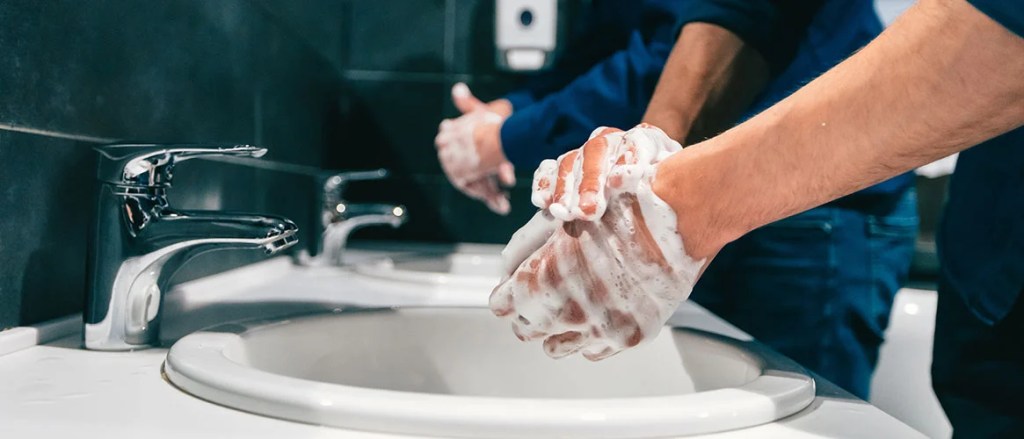
Proper hygiene is one of the most effective ways to prevent infectious diseases like the common cold, flu, COVID-19, and gastrointestinal infections.
For instance, the simple act of washing your hands with soap can reduce the risk of diarrheal diseases by up to 50%.
Boosting Mental and Emotional Well-being
Maintaining cleanliness often leads to a better self-image and higher confidence levels.
When you feel clean, you feel more positive, focused, and ready to take on daily challenges.
Social and Professional Benefits
Good hygiene is crucial in social and professional settings. Cleanliness can influence first impressions, impact job opportunities, and foster better relationships.
Protecting Vulnerable Populations
In schools, hospitals, and homes, good hygiene protects not just individuals, but also vulnerable populations like young children, the elderly, and people with weakened immune systems.
Types of Hygiene and Practical Examples
1. Personal Hygiene
Personal hygiene involves taking care of your body to stay clean and healthy.
It includes:
Handwashing
Example: Always wash your hands after using the bathroom, before eating, and after coming home from outside.
Oral Hygiene
Example: Brushing your teeth at least twice a day and flossing daily to prevent cavities and gum disease.
Bathing and Skin Care
Example: Showering regularly, especially after exercise or sweating, and moisturizing skin to prevent dryness and irritation.
Hair and Nail Care
Example: Washing hair routinely and trimming nails to prevent the accumulation of dirt and bacteria.
2. Food Hygiene
Food hygiene is about handling, preparing, and storing food in a safe way to prevent foodborne illnesses.
Washing fruits and vegetables before eating.
Cooking meat thoroughly to kill harmful bacteria.
Storing food at proper temperatures to avoid spoilage.
Example: Always refrigerate perishable foods like milk, meat, and leftovers within two hours to prevent bacterial growth.
3. Home Hygiene
Maintaining a clean living environment is crucial for your health and comfort.
Regular cleaning of surfaces like kitchen counters, bathroom sinks, and doorknobs.
Proper waste disposal to avoid attracting pests like rats and cockroaches.
Ventilating rooms to reduce mold, allergens, and indoor pollutants.
Example: Wiping down frequently touched surfaces with disinfectant once a day during flu season can significantly lower the risk of getting sick.
4. Respiratory Hygiene
With the rise of respiratory illnesses, especially after the COVID-19 pandemic, respiratory hygiene has gained much attention.
Covering your mouth and nose with a tissue or your elbow when coughing or sneezing.
Wearing a mask when you’re sick to protect others.
Proper disposal of tissues and immediate handwashing after coughing or sneezing.
Example: Carrying a small hand sanitizer and tissues in your bag can help maintain respiratory hygiene even when you’re on the go.
Types of Personal Hygiene: Essential Steps for a Healthier Lifestyle
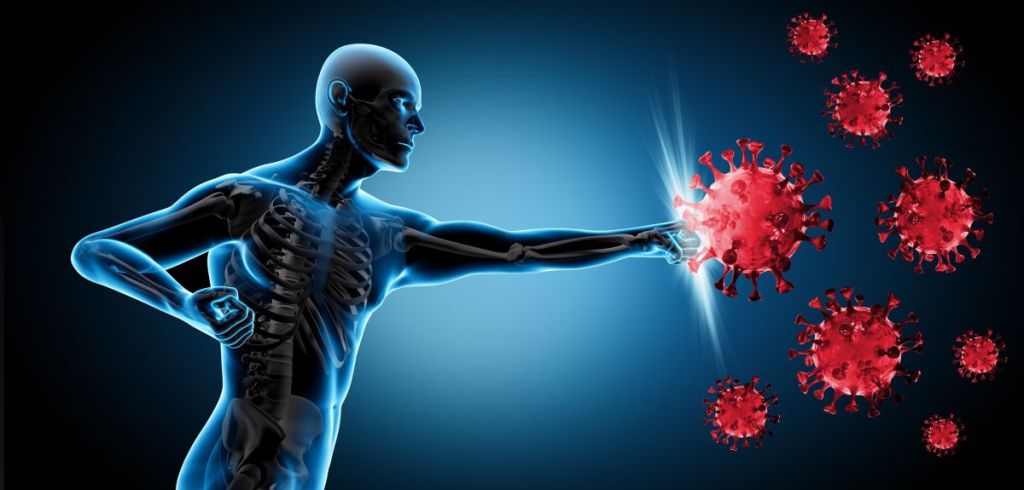
Maintaining personal hygiene is an essential part of everyday life that promotes overall health and well-being. It helps prevent the spread of diseases, keeps you feeling fresh, and boosts your confidence. Below are key types of personal hygiene that form the foundation of a daily routine. These practices go beyond looking clean; they’re about taking care of your body to prevent infections, maintain hygiene, and promote physical and mental wellness.
1. Dental Hygiene: A Healthy Smile Starts Here
Dental hygiene is not just about having white teeth; it plays a significant role in maintaining overall health. Good dental hygiene helps prevent gum disease, cavities, and bad breath.
Example: Imagine waking up and brushing your teeth first thing in the morning. Using a fluoride toothpaste, brushing for 2 minutes, and flossing daily will help remove food particles and plaque buildup from your teeth. By maintaining good dental hygiene, you can prevent painful cavities and gum disease, ensuring your smile stays healthy and fresh throughout the day.
The American Dental Association (ADA) recommends brushing twice a day, in the morning and before bed, to keep your teeth clean. Flossing is just as important to remove debris from between the teeth where a toothbrush can’t reach.
2. Body Hygiene: Stay Fresh, Stay Clean
Your body naturally sweats through millions of sweat glands. While sweat itself is odorless, when it combines with bacteria on your skin, it can lead to body odor. Showering regularly helps to remove sweat, bacteria, and dirt, keeping you feeling fresh.
Example: After a long day, you may notice your body feels sticky or uncomfortable. Taking a shower with soap and water will help remove oils and bacteria from your skin, leaving you refreshed. Special attention should be paid to areas that accumulate more sweat, such as the armpits, groin, and between the toes.
Shampooing your hair once a week or more, depending on your hair type, will keep your scalp clean and prevent buildup. Applying deodorant after showering ensures that your body odor is controlled throughout the day.
3. Hand Washing: A Simple Habit, a Powerful Impact
One of the simplest yet most effective ways to prevent the spread of germs and infections is through regular hand washing. The CDC recommends washing your hands at specific times:
Before, during, and after preparing food
Before eating
After using the bathroom
After handling pets or pet-related items
Example: You’re about to eat lunch, but before you pick up your sandwich, take a moment to wash your hands thoroughly with soap and running water. Scrub for at least 20 seconds, covering the backs of your hands, between the fingers, and under the nails. This habit can greatly reduce your chances of catching or spreading illnesses.
4. Nail Hygiene: Keep It Clean and Short
Nails are a common place where dirt and germs can gather. Longer nails may trap dirt, making it easier for bacteria to spread. Keeping nails short and clean is essential for preventing infections.
Example: When you trim your nails, use sanitized tools to avoid transferring bacteria. Additionally, regularly cleaning the underside of your nails with a nail brush during hand washing can help keep harmful germs at bay. This small step can go a long way in keeping your hands clean and hygienic.
5. Menstrual and Genital Hygiene: Protect Your Body
Good hygiene during menstruation and genital care is crucial for avoiding infections. During menstruation, it’s important to change sanitary products regularly. Always wash your hands before and after changing tampons or pads.
Example: During your period, replace tampons or pads every 4–6 hours to prevent bacterial growth and discomfort. When it comes to genital hygiene, avoid using harsh soaps for internal vaginal cleaning. The vagina is self-cleaning, and using soap can disrupt its natural balance. Instead, gently wash the external area with mild soap and water.
For those with an uncircumcised penis, it’s important to pull back the foreskin and clean underneath with warm water to maintain proper hygiene.
6. Tips for Maintaining Good Personal Hygiene
Now that we understand the different types of hygiene, it’s important to follow some essential steps to ensure your hygiene routine is effective and beneficial:
Brush your teeth for 2 minutes, twice a day.
Wash your hands regularly using soap and water, especially before eating and after using the bathroom.
Shower daily, paying attention to areas that sweat the most, such as your armpits and feet.
Trim your nails regularly and clean the area underneath them.
Use deodorant after showering to control body odor.
Change sanitary products regularly and maintain genital hygiene.
By incorporating these habits into your daily routine, you will not only stay clean and fresh but also reduce the risk of infections and illnesses.





 Vitalité