
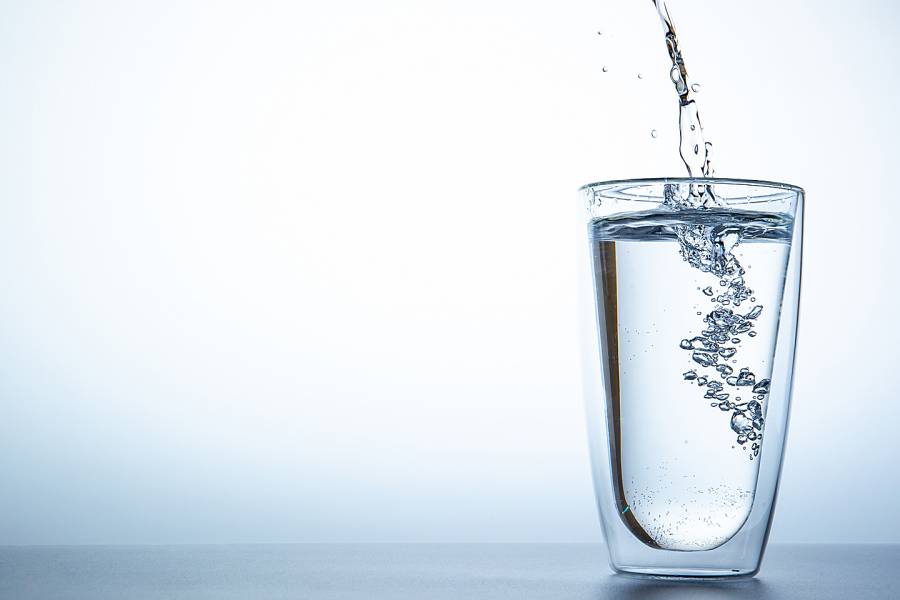
Staying hydrated is one of the most essential—yet often overlooked—aspects of maintaining good health. Water makes up around 60% of our body and plays a crucial role in nearly every bodily function. From regulating temperature to carrying nutrients to cells, water is the foundation of life. But despite its importance, many people are unsure exactly how much water they should drink each day.
In this article, we’ll explore why hydration matters, how much water you actually need, and practical tips for staying properly hydrated.
🧠 Why Is Hydration Important?
Water is essential for:
- Regulating body temperature
- Lubricating joints
- Protecting organs and tissues
- Removing waste through urine and sweat
- Aiding digestion and nutrient absorption
- Improving skin health and cognitive function
Even mild dehydration can affect energy levels, mood, and focus. Chronic dehydration, on the other hand, may contribute to kidney stones, constipation, urinary tract infections, and more.
🧮 So, How Much Water Do You Really Need?
There is no one-size-fits-all answer. Water needs can vary based on age, gender, activity level, health status, and climate.
🔢 General Guidelines
According to the U.S. National Academies of Sciences, Engineering, and Medicine, the adequate daily fluid intakeis:
- About 3.7 liters (125 ounces) for men
- About 2.7 liters (91 ounces) for women
This includes all fluids—water, beverages, and even moisture from food. On average, 20% of our fluid intake comes from food, while the rest should come from drinks, primarily water.

🏃♀️ When Do You Need More Water?
You might need to increase your intake if you:
- Exercise regularly or intensely
- Spend time in hot or humid environments
- Are pregnant or breastfeeding
- Have certain medical conditions (e.g., fever, diarrhea, kidney issues)
- Consume dehydrating substances like caffeine or alcohol
🧊 Signs You’re Not Drinking Enough Water
Some common symptoms of dehydration include:
- Dry mouth or skin
- Headaches
- Fatigue
- Dizziness or lightheadedness
- Dark-colored urine
- Reduced urination
If you notice these signs, it may be time to up your water intake.
🧃 What Counts as Hydration?
Although plain water is the best option, other sources contribute to your hydration too:
- Herbal teas
- Fruit-infused water
- Milk
- Fruits and vegetables (like watermelon, cucumber, and oranges)
- Soups and broths
However, sugary drinks, caffeine, and alcohol can have diuretic effects and should be consumed in moderation.
📝 Tips for Staying Hydrated
- Start your day with a glass of water.
- Carry a reusable water bottle.
- Set reminders to drink water throughout the day.
- Eat water-rich foods.
- Drink before you feel thirsty. Thirst is a late sign of dehydration.
- Hydrate before, during, and after exercise.
Water is not just a basic need—it’s a vital component of your overall health and wellness. Developing mindful hydration habits can boost energy, support digestion, improve skin, and enhance mental clarity. Whether you’re trying to increase focus at work, improve your workouts, or simply feel better day-to-day, drinking enough water is a simple yet powerful habit to adopt.
So grab your bottle, and start sipping your way to better health!





 Vitalité
Leave a comment