
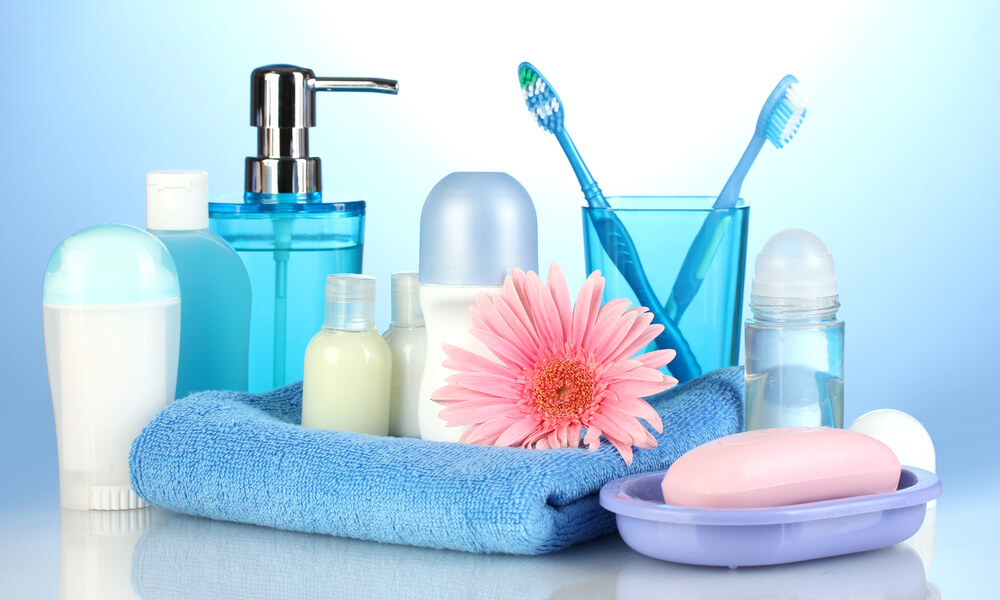
In our interconnected world, hygiene remains a fundamental yet often underestimated aspect of disease prevention and health promotion. While many of us associate hygiene with personal cleanliness, it encompasses a broad range of behaviors and systems that act as our first defense against harmful microbes. From pandemic preparedness to daily routines, the science is clear: hygiene saves lives.
What Is Hygiene?
Hygiene refers to practices that maintain health and prevent the spread of diseases. This includes both personal hygiene(e.g., handwashing, dental care, bathing) and public hygiene (e.g., clean water supply, waste management, food sanitation). The World Health Organization (WHO) defines hygiene as “conditions and practices that help to maintain health and prevent the spread of diseases” (WHO, 2009).
Bacteria and Viruses: An Overview
Bacteria
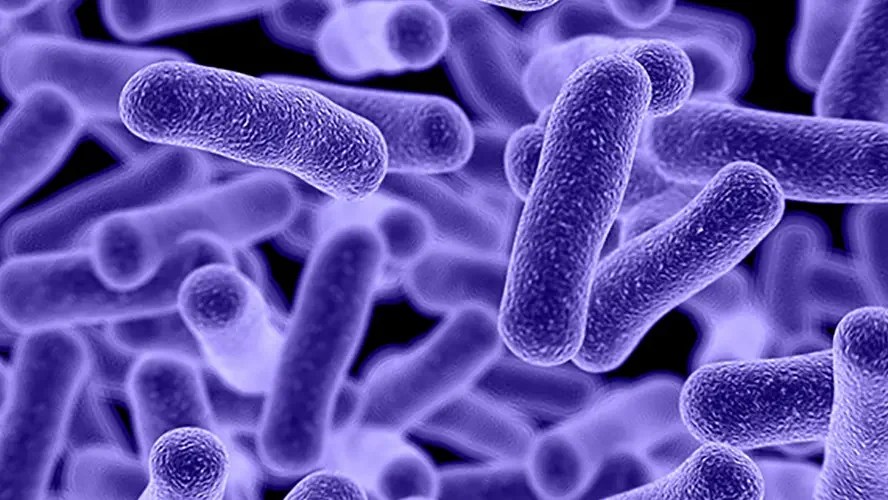
Bacteria are single-celled organisms. While many are harmless or beneficial—such as those in the gut microbiome—others are pathogenic and capable of causing illness.
- Examples of bacterial diseases include tuberculosis (Mycobacterium tuberculosis), strep throat (Streptococcus pyogenes), and cholera (Vibrio cholerae).
- Antibiotics can treat many bacterial infections, but antibiotic resistance is a growing global concern (Ventola, 2015).
Viruses
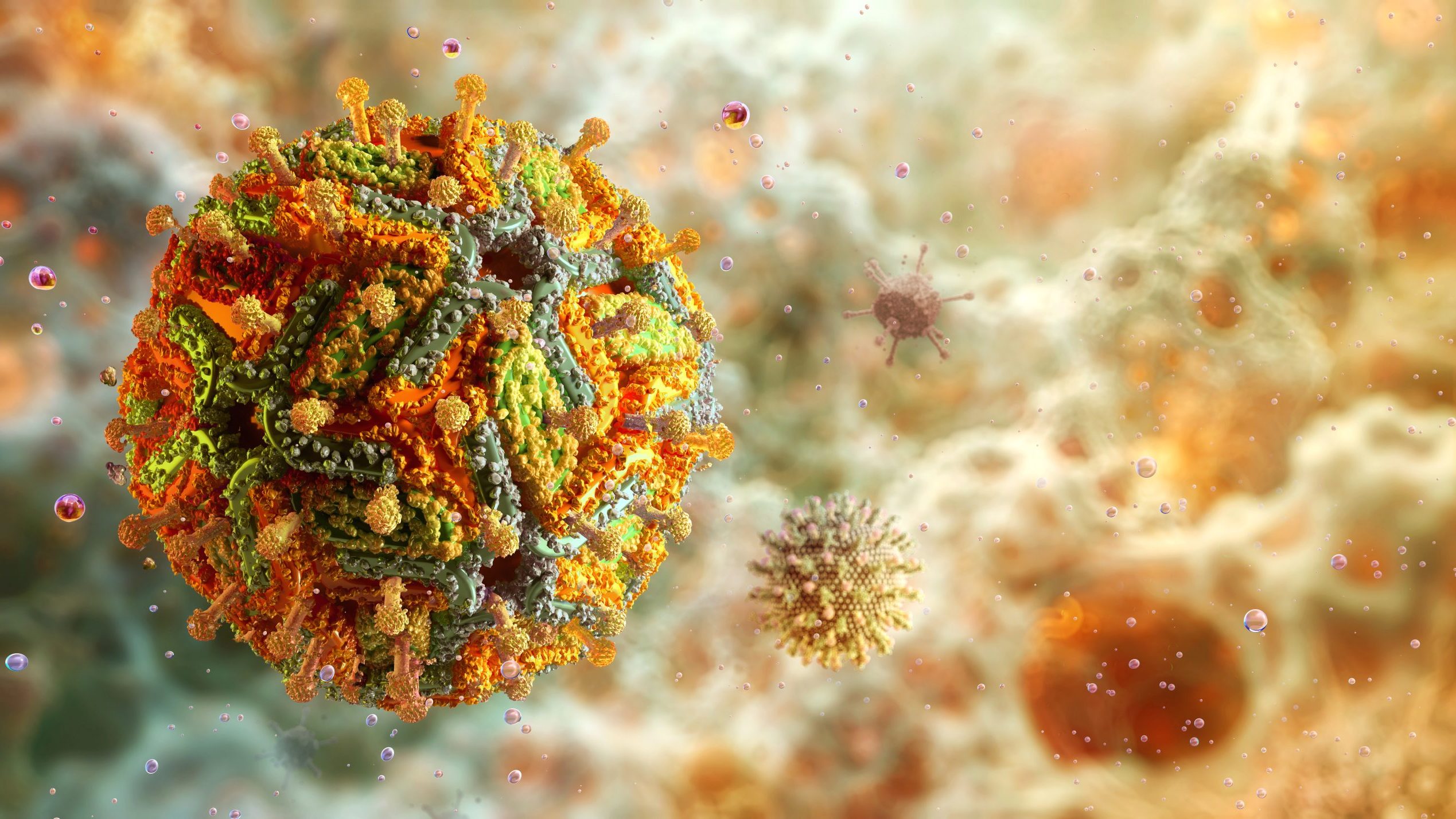
Viruses are acellular entities that require a living host to replicate. They hijack the host’s cellular machinery to reproduce, often damaging or destroying cells in the process.
- Examples of viral diseases include influenza, COVID-19 (SARS-CoV-2), and hepatitis B.
- Vaccines are a primary method of prevention for many viral infections, while antiviral medications can help manage some (e.g., HIV, herpes simplex virus).
Hygiene-Related Diseases
Poor hygiene can lead to a range of infectious diseases, particularly in environments lacking access to clean water, proper sanitation, and health education.
Water- and Foodborne Diseases
- Cholera and typhoid fever spread through contaminated water and poor sanitation.
- According to a systematic review in The Lancet Global Health (Prüss-Ustün et al., 2019), improving water, sanitation, and hygiene (WASH) could prevent up to 829,000 deaths annually from diarrheal disease.
Respiratory Infections
- Diseases like influenza, the common cold, and COVID-19 are spread through respiratory droplets.
- A study published in BMJ Global Health found that hand hygiene significantly reduces the transmission of respiratory viruses in both community and healthcare settings (Aiello et al., 2008).
Skin and Eye Infections
- Poor hygiene is associated with the spread of scabies, conjunctivitis, and fungal infections.
- Overcrowded living conditions and lack of access to clean water increase susceptibility to these diseases (Hay et al., 2012).
Core Hygiene Practices for Disease Prevention
- Handwashing with soap and water
Recognized as the single most effective intervention to prevent the spread of infections. The CDC notes that handwashing reduces the incidence of respiratory illnesses by 21–23% (Curtis & Cairncross, 2003). - Oral hygiene
Brushing teeth twice daily and flossing can prevent gum disease, tooth decay, and systemic infections linked to poor oral health (Tonetti et al., 2017). - Personal cleanliness
Regular bathing helps remove pathogens from the skin, particularly after exercise or exposure to public environments. - Food hygiene
Safe food handling, including washing raw produce and cooking meat thoroughly, helps prevent foodborne illnesses such as salmonellosis and listeriosis. - Sanitation and waste management
Proper disposal of human waste and garbage reduces vectors like flies and rodents that spread diseases. - Menstrual and genital hygiene
Maintaining cleanliness during menstruation and avoiding harmful products (e.g., douches) is critical for reproductive health.

Scientific Evidence: Hygiene Saves Lives
Numerous studies and meta-analyses confirm the critical role of hygiene in reducing disease burden:
- A Cochrane review (Jefferson et al., 2011) emphasized that physical interventions, including handwashing and mask usage, significantly reduce the spread of respiratory viruses.
- In healthcare settings, the WHO’s “My 5 Moments for Hand Hygiene” campaign has been linked to a substantial drop in healthcare-associated infections (Sax et al., 2007).
Moreover, the COVID-19 pandemic underscored how hand hygiene, respiratory etiquette, and environmental disinfection can protect communities on a global scale.
Conclusion
Hygiene is not a luxury—it is a necessity. From preventing childhood diarrheal disease in low-income countries to controlling flu outbreaks in urban centers, hygiene-related practices form the bedrock of public health. As antibiotic resistance and emerging pathogens continue to pose challenges, basic hygiene remains one of the most cost-effective and evidence-based strategies for disease prevention.
By integrating hygiene into daily life and supporting global sanitation initiatives, we not only protect ourselves but also help build healthier, more resilient communities.
References:
- Aiello, A. E., Coulborn, R. M., Perez, V., & Larson, E. L. (2008). Effect of hand hygiene on infectious disease risk in the community setting: a meta-analysis. American Journal of Public Health, 98(8), 1372–1381.
- Curtis, V., & Cairncross, S. (2003). Effect of washing hands with soap on diarrhoea risk in the community: a systematic review. The Lancet Infectious Diseases, 3(5), 275–281.
- Hay, R. J., Johns, N. E., Williams, H. C., et al. (2012). The global burden of skin disease in 2010: an analysis of the prevalence and impact of skin conditions. Journal of Investigative Dermatology, 134(6), 1527–1534.
- Jefferson, T., Del Mar, C. B., Dooley, L., et al. (2011). Physical interventions to interrupt or reduce the spread of respiratory viruses. Cochrane Database of Systematic Reviews, (7).
- Prüss-Ustün, A., Wolf, J., Bartram, J., et al. (2019). Burden of disease from inadequate water, sanitation and hygiene for selected adverse health outcomes: an updated analysis with a focus on low- and middle-income countries. International Journal of Hygiene and Environmental Health, 222(5), 765–777.
- Sax, H., Allegranzi, B., Uçkay, I., Larson, E., Boyce, J., & Pittet, D. (2007). ‘My five moments for hand hygiene’: a user-centred design approach to understand, train, monitor and report hand hygiene. Journal of Hospital Infection, 67(1), 9–21.
- Tonetti, M. S., Jepsen, S., Jin, L., & Otomo-Corgel, J. (2017). Impact of the global burden of periodontal diseases on health, nutrition and wellbeing of mankind: a call for global action. Journal of Clinical Periodontology, 44(5), 456–462.
- Ventola, C. L. (2015). The antibiotic resistance crisis: part 1: causes and threats. Pharmacy and Therapeutics, 40(4), 277–283.
- World Health Organization. (2009). WHO Guidelines on Hand Hygiene in Health Care.





 Vitalité
Leave a comment