

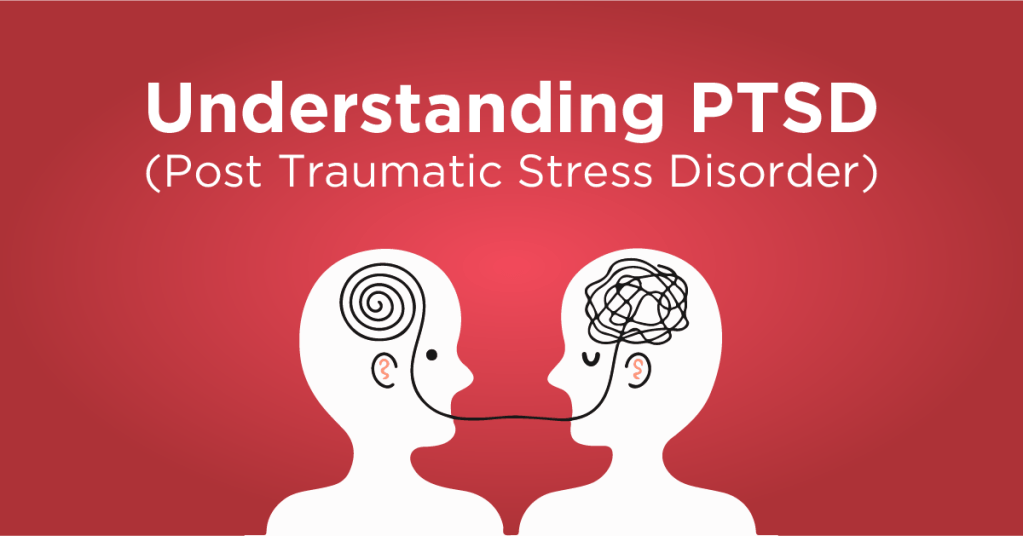
Post-Traumatic Stress Disorder (PTSD) is often misunderstood. Many people associate it exclusively with soldiers returning from war zones, but the truth is, PTSD can affect anyone who has experienced trauma. Car accidents, natural disasters, assault, prolonged abuse, sudden loss — trauma wears many faces, and so does the path to recovery.
What is PTSD?
PTSD is a mental health condition triggered by witnessing or experiencing a terrifying event. It’s natural to feel afraid during and after trauma. Our “fight-or-flight” response is a survival mechanism. But when the symptoms of trauma — flashbacks, nightmares, severe anxiety, intrusive thoughts — persist long after the danger has passed, they can interfere with daily life in painful ways.
Some common signs of PTSD include:
- Reliving the trauma through flashbacks or nightmares
- Avoiding places, people, or activities that remind you of the event
- Feeling numb, detached, or hopeless
- Hypervigilance — being constantly “on edge”
- Angry outbursts or difficulty sleeping
No two experiences of PTSD are the same. Some people might develop symptoms immediately; others might not notice anything wrong for months or even years.
Coping with PTSD: Where Healing Begins
Healing from PTSD isn’t about “getting over it.” It’s about learning to live with what happened and finding ways to reclaim your life. It can be difficult, but healing is absolutely possible. Here are some approaches that have helped many people:
1. Seek Professional Help
Therapy, particularly trauma-focused therapies like Cognitive Behavioral Therapy (CBT) or Eye Movement Desensitization and Reprocessing (EMDR), can be incredibly effective. A trained therapist can help you process your trauma safely, at your own pace.
Sometimes medication — such as antidepressants or anti-anxiety medications — can also support recovery, especially if PTSD symptoms are severe.
2. Build a Support System
Isolation often feeds PTSD. Finding people you trust — friends, family, or support groups — can remind you that you’re not alone. Sharing your experience (when you’re ready) can reduce feelings of shame or fear.
3. Ground Yourself in the Present
PTSD can make the past feel very much alive. Grounding techniques help bring you back to the “now.” Some simple methods include:
- Naming five things you can see, four you can touch, three you can hear, two you can smell, and one you can taste.
- Focusing on your breath: slow, deep inhales and exhales.
- Holding onto a comforting object like a textured stone or a soft fabric.
4. Reclaim Your Body
Trauma often disconnects us from our bodies. Gentle physical activities like yoga, tai chi, swimming, or simply walking can help rebuild that lost connection. Choose movements that feel safe and empowering.
5. Establish Routines
Predictable routines can offer a sense of stability when everything inside feels chaotic. Small habits — making your bed, drinking tea every evening, journaling — can anchor you during rough days.
6. Practice Self-Compassion
It’s easy to be hard on yourself when you feel “stuck” or “broken.” Remember: your reactions are not signs of weakness. They are signs that your brain and body are trying to protect you. Treat yourself with the same patience and kindness you would offer a loved one.
A Final Word: Healing is Not Linear
Some days will feel better than others. Setbacks do not mean failure. Healing from PTSD is more like a winding path than a straight line. Be patient with yourself. Celebrate small victories. Know that you are not alone in your journey — and that hope is never out of reach.
If you’re struggling right now, reaching out for help is a brave and powerful first step. You deserve support, healing, and peace.





 Vitalité
Leave a comment