

When we hear the word metabolism, we often think about how quickly we burn calories. But metabolism is much more than that — it’s the foundation of how our bodies create energy from the food we eat. Healthy eating plays a crucial role in keeping this system running smoothly and efficiently.
What Is Metabolism?
Metabolism is the set of life-sustaining chemical reactions in your body. These reactions allow you to convert food into energy, build and repair tissues, and manage waste products.
Think of metabolism like the engine in a car: if you fuel it with the right type of gasoline (or in our case, the right nutrients), it runs efficiently. If not, the engine struggles, breaks down more easily, and uses more energy than necessary.
How Healthy Eating Supports Your Metabolism
- Nutrient-Dense Foods Provide Essential Fuel
Foods rich in vitamins, minerals, fiber, and healthy fats support the body’s metabolic processes. Proteins, for example, require more energy to digest than fats or carbs, leading to a slight boost in metabolism, known as the thermic effect of food.
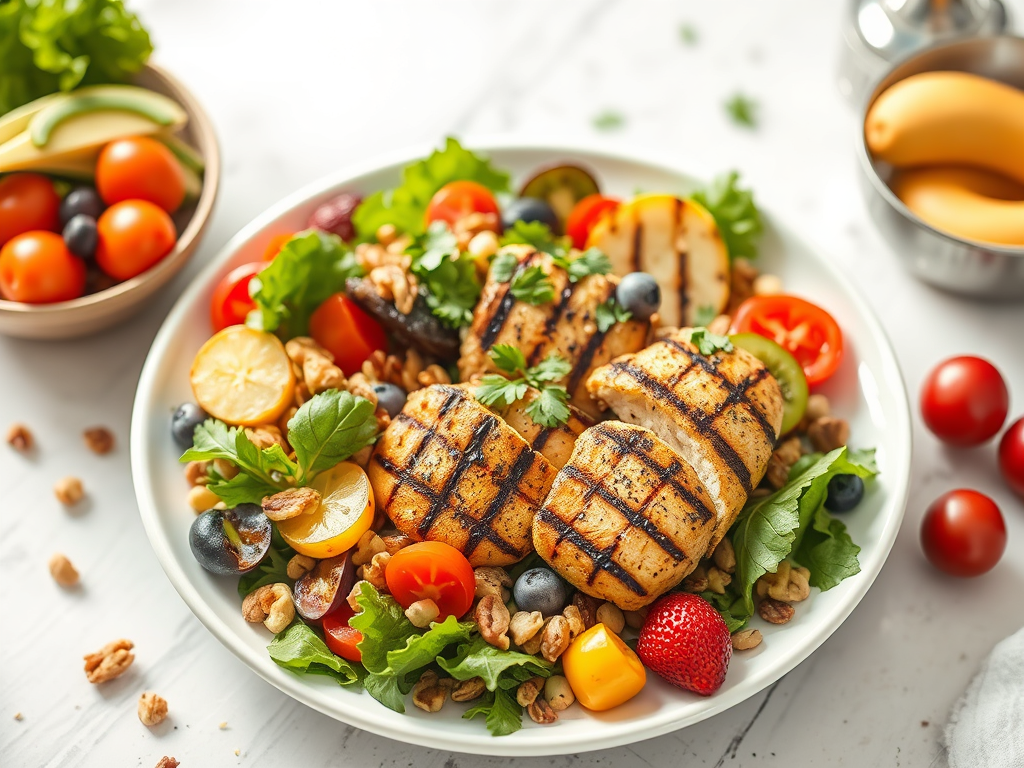
Example: Eating a grilled chicken salad with lots of colorful vegetables will nourish your cells and boost your body’s ability to burn energy compared to eating fast food.
- Blood Sugar Balance Is Key
Processed foods high in sugars can cause spikes and crashes in blood sugar levels, which strain your metabolism over time. Choosing whole grains, fruits, vegetables, and proteins helps keep blood sugar steady, supporting a healthy energy balance.
Example: Instead of reaching for a candy bar, a handful of almonds and an apple will stabilize your blood sugar and keep your metabolism working effectively.
- Micronutrients Help Enzymes Work
Vitamins and minerals act like tiny helpers that support metabolic reactions. Without enough iron, for instance, your body can’t transport oxygen properly, slowing down metabolism. B vitamins are essential for turning food into usable energy.
Example: Including foods like spinach (iron) and eggs (B vitamins) in your meals ensures your metabolism gets the tools it needs.
- Hydration Keeps Metabolic Reactions Flowing
Water is vital for every chemical reaction in your body. Even mild dehydration can slow down your metabolism.
Example: Make it a habit to drink a glass of water before each meal to support digestion and metabolism.

Why It Matters
A well-functioning metabolism not only helps with weight management but also improves your mood, energy levels, immune function, and even skin health.
On the other hand, a sluggish metabolism caused by poor nutrition can lead to fatigue, weight gain, and an increased risk of chronic diseases.
Healthy eating isn’t just about looking good — it’s about helping your body work at its best behind the scenes. By fueling yourself with nutritious foods, staying hydrated, and maintaining balanced meals, you’re giving your metabolism the care and support it needs to keep you energized, vibrant, and thriving.
Start today by adding one more colorful vegetable to your plate or swapping a processed snack for a handful of nuts — your metabolism will thank you!





 Vitalité
Leave a comment